Electronic prescribing in Australia: tokens, the Active Script List and the chemist queue
Electronic prescriptions in Australia travel as tokens by SMS or email, or sit on an Active Script List. This explainer covers how eScripts work at the chemist, repeats, pharmacy changes, paper fallback and the everyday failures that stall the queue.
Priya Nair, Medicines and pharmacy editorUpdated
The chemist queue used to be a paper ritual. You left the clinic with a sheet, sometimes still warm from the printer, and you handed it over the counter as if it were a ticket. The pharmacist read the ink, checked the repeats box, and filed the original in a drawer that smelled faintly of cardboard and disinfectant.
That drawer has not vanished. Paper prescriptions remain legal in Australia. What has changed is the default path for a great many ordinary medicines. The prescription now often travels as a token — a unique QR code or barcode sent by SMS or email — or it sits, with your consent, on an Active Script List that a pharmacy can open when you ask them to.
If the system works, you walk in, unlock your phone, and leave with a PBS-subsidised pack and a label that still looks like every other label you have ever been given. If it fails, you discover that digital convenience has failure modes paper never had. The message is on an old handset. The screenshot is cropped. The person collecting for Mum cannot find the email. The queue behind you lengthens while someone tries to remember which clinic sent “that text last Tuesday”.
This is a field guide to the token, the Active Script List, and the small frictions that decide whether electronic prescribing feels like a public good or a new kind of paperwork.
What an eScript token actually is
An electronic prescription is not a photograph of a piece of paper. It is a record created in clinical software and lodged with a prescription exchange service. The token is only a pointer. It tells the pharmacy which record to retrieve.
How the token is delivered
The usual delivery methods are well known because they use infrastructure people already have:
- SMS to the mobile number on the clinic file
- email to the address the practice uses for results and recalls
- a printed token, which looks like a QR code on a slip, when a clinic still wants something you can hold
Once the pharmacy scans the token, the dispensary software pulls the prescription, applies PBS claiming where it applies, and records the supply. A repeat, if there is one, stays electronic. You do not get a dog-eared original back in a paper bag unless the supply was written on paper to begin with.
A token is a key, not a medicine. Forwarding it is closer to handing someone your script pad than to sending a reminder about a doctor’s appointment.
That distinction matters more than the marketing suggests. Anyone who can present the token can, in ordinary circumstances, ask a pharmacy to dispense against it. Pharmacies still apply professional judgement. They still check identity when something looks off. They still refuse supply if the medicine, the dose, or the story does not sit right. The token does not override the extra rules that apply to Schedule 8 medicines. It does, however, change how easy it is for the wrong person to get a head start.
The Active Script List, explained without the brochure
The Active Script List — almost always shortened to ASL — is a consent-based list of a person’s active electronic prescriptions. Instead of producing a separate token for every medicine, you can ask a pharmacy to look up the list and dispense from what is sitting there.
Registration is not automatic in any useful sense. You have to agree. The pharmacy will talk you through it, often while you are already at the counter with a new token in hand. After that, the everyday benefit is dull and valuable: blood pressure tablets, inhalers, and the rest of a stable regimen can be collected without scrolling through months of messages.
ASL is particularly helpful when:
- you use more than one community pharmacy
- a partner or adult child collects regularly
- you have changed phones and lost the SMS trail
- a GP has issued several items in one consult and you do not want six separate screenshots
It is not a complete medicines record. It is not My Health Record. It does not replace the dispensing history inside a pharmacy’s own software, and it does not tell the next pharmacist what was supplied last month unless that information is available some other way. Think of it as a live in-tray for electronic prescriptions, not as a biography of your health.
Consent can be withdrawn. If you no longer want a particular pharmacy to see the list, say so and ask how they record that change. Digital systems are only as good as the last person who updated them.
Changing pharmacies without losing the thread
Australians change chemists for ordinary reasons. The one near work closes on Saturdays. The one near home starts charging for delivery. You stay with a daughter after an operation. You move suburbs and the old pharmacy is now a forty-minute drive through roadworks.
With paper, the original script had to move. People posted it, asked the old pharmacy to transfer it, or simply started again with the GP. Electronic prescribing was meant to make that less theatrical. In practice it does, provided someone can still find the token or the ASL is in place.
If you are registered for ASL, a new pharmacy can — with your say-so — see active electronic prescriptions and dispense from them. If you are not, you need the token. That might mean opening an old email, asking the clinic to resend, or producing a printed token you stuffed in a kitchen drawer “just in case”.
A few practical points keep this from turning into a second appointment:
- tell the new pharmacy if another shop has already dispensed part of a repeat cycle
- do not assume a owing balance or a staged supply has followed you
- ask whether your dose administration aid packing can move, and on what day
- if a medicine is a monitored or controlled drug, expect more questions, not fewer
Loyalty programs and app accounts are a separate layer. They might store a photo of a token. They do not replace the legal prescription. If the app is down, the prescription may still be retrievable another way. If the prescription exchange cannot be reached, no amount of brand-colour branding will conjure a pack from the shelf.
Repeats, owing, and the myth of the infinite QR code
Repeats are where people get confident and then get stuck. On paper, the pharmacy kept the original and you collected against it. Electronically, the repeat lives with the prescription record. You do not need a new token for every supply of the same prescription, but you do need a pharmacy that can see the record.
That is why ASL and a regular pharmacy pair so naturally. You become a known person with a known list. The assistant can pull the next supply of metformin without a treasure hunt. The pharmacist can still intervene — a drug interaction, a dose that looks high, a gap that suggests you have been doubling up — because pharmacist-led digital care did not retire professional judgement when the paper tray got thinner.
Owings remain a human problem. If the wholesaler is out, the pharmacy may supply part of the quantity and ask you to come back. Digitally this should be cleaner than a sticky note on a paper script. In real shops it is still a conversation: which strength came in, whether a brand substitute is acceptable, whether you can manage until Friday.
Do not treat a screenshot as an unlimited voucher. Once a prescription is fully supplied, or cancelled, or expired, the token is a souvenir. Presenting it again will not create stock. It will create a pause while the pharmacist explains, kindly or otherwise, that the record is closed.
Paper is not a nostalgia act
Paper fallback is not an admission of defeat. It is how the system stays usable for people who do not want a health service bound to a mobile number.
Ask for paper when:
- you are going somewhere with patchy mobile coverage
- you do not want medicines tied to a handset you share
- a particular clinic’s SMS habit is unreliable
- you are helping someone who cannot manage tokens
- a medicine sits in a category where extra documentation is simply easier on a form you can see
Clinics vary. Some still print by default. Some send tokens unless you speak up. A few do both, which can confuse everyone if two channels get treated as two prescriptions. If you leave with a printed token and an SMS, say so at the pharmacy. One prescription should not be dispensed twice because the channels multiplied.
Interstate travel is another reason paper still earns its keep, especially for medicines that attract extra controls. The token may travel with you. The legal ability of a pharmacy in another state or territory to supply, and the monitoring system they must check, may not be a simple scan-and-smile moment. That is a theme we return to in the digital-medicines hub, because the national story of ePrescribing sits on top of state poisons law, not instead of it.
Failure modes that actually stall the queue
The technology fails in boring ways. That is useful, because boring problems have boring fixes if someone names them early.
Lost phones, junk folders and cropped codes
The SMS went to last year’s phone. Clinic software is only as current as the last receptionist who asked, “Is this still the best number?” If you have changed handsets, say so before the GP hits send. If the token has already gone into the void, ask the clinic to resend to the new number or to an email you can open now.
The email is in a junk folder, or in an account nobody checks. “We sent it” is not the same as “you can open it at the counter”. Confirm the address. If you use a carer’s email for appointments, decide deliberately whether that person should also receive tokens.
Someone cropped the QR code. A screenshot that cuts off the code, or a dark, cracked-screen photo taken under fluorescent lights, will not scan. Zoom out. Increase brightness. If the code will not read, ask for a resend rather than arguing with the scanner.
Family pickup and two pharmacies
Family pickup without a plan. Collecting for a partner is ordinary Australian life. Collecting for a parent in a residential facility is ordinary too. What is not ordinary is standing at the front of the queue with no token, no ASL consent, and a story that the prescription “should be in the system”. Bring identification. Know the person’s full name and date of birth. If the medicine is a controlled drug, expect the pharmacy to be stricter, and do not take that personally.
Two pharmacies, one prescription. If you asked the local shop to order it in, then tried the 24-hour pharmacy because you ran out tonight, say so. Electronic records reduce some double-supply risk. They do not abolish the possibility of two teams working on the same item.
The prescriber used a mobile number that belongs to a teenager. Shared family plans and “the house phone” create exactly the privacy problem tokens were not designed to solve. If a child can open the SMS, the child can see the medicine name. That may be fine. It may not. Ask the clinic which number sits on the file.
What “good” looks like at the counter
A smooth electronic supply is almost invisible. You are recognised, or you show a token that scans on the first try. The pharmacist still asks the questions that matter — new medicine, allergy, how you have been taking it — because a digital channel is not a clinical history.
A messy supply can still be rescued in minutes if everyone treats it as a records problem rather than a character test. The patient finds another channel. The pharmacy checks ASL. The clinic, if it is still open, resends. Someone writes down the new mobile number so the next item does not repeat the farce.
What does not help is anger at the person holding the scanner. They cannot invent a prescription that was never lodged, and they cannot ethically dispense a controlled medicine because a relative is in a hurry. The queue moves when the record can be found and the supply is safe.
Privacy, carers, and the household phone
Electronic prescribing shifted a slice of clinical information onto consumer devices. That is convenient. It is also a household privacy decision that clinics do not always surface.
If you care for someone, decide how tokens should arrive. Directly to them, if they can manage a phone. To you, if you are the person who actually stands at the pharmacy. Onto an ASL so a trusted pharmacy can help without a treasure hunt. Paper, if the family situation is complicated and a shared inbox would do more harm than good.
Do not post tokens in a group chat “so anyone nearby can grab it”. Do not assume a screenshot in the cloud backup of a former partner’s phone has disappeared. Revoke ASL access if a relationship or a regular pharmacy arrangement ends.
These are not hypothetical IT policies. They are the same old Australian problems — blended families, adult children interstate, neighbours who kindly pick things up — wearing a QR code.
What this does not replace
Electronic prescribing does not replace a conversation about whether you still need the medicine. It does not replace a dose review in hospital. It does not upload itself, in any reliable folk-mythology sense, into every system a future clinician might open.
It also does not replace the PBS Safety Net paperwork culture that still attaches to real households trying to keep a year of medicines affordable. The channel changed. The subsidy rules, brand substitution conversations, and “close brand” stickers did not retire.
If you want a single habit that prevents most of the grief: keep one regular pharmacy, register for ASL if it suits how you live, and treat clinic contact details as part of the prescription. The token is only as good as the number it was sent to.
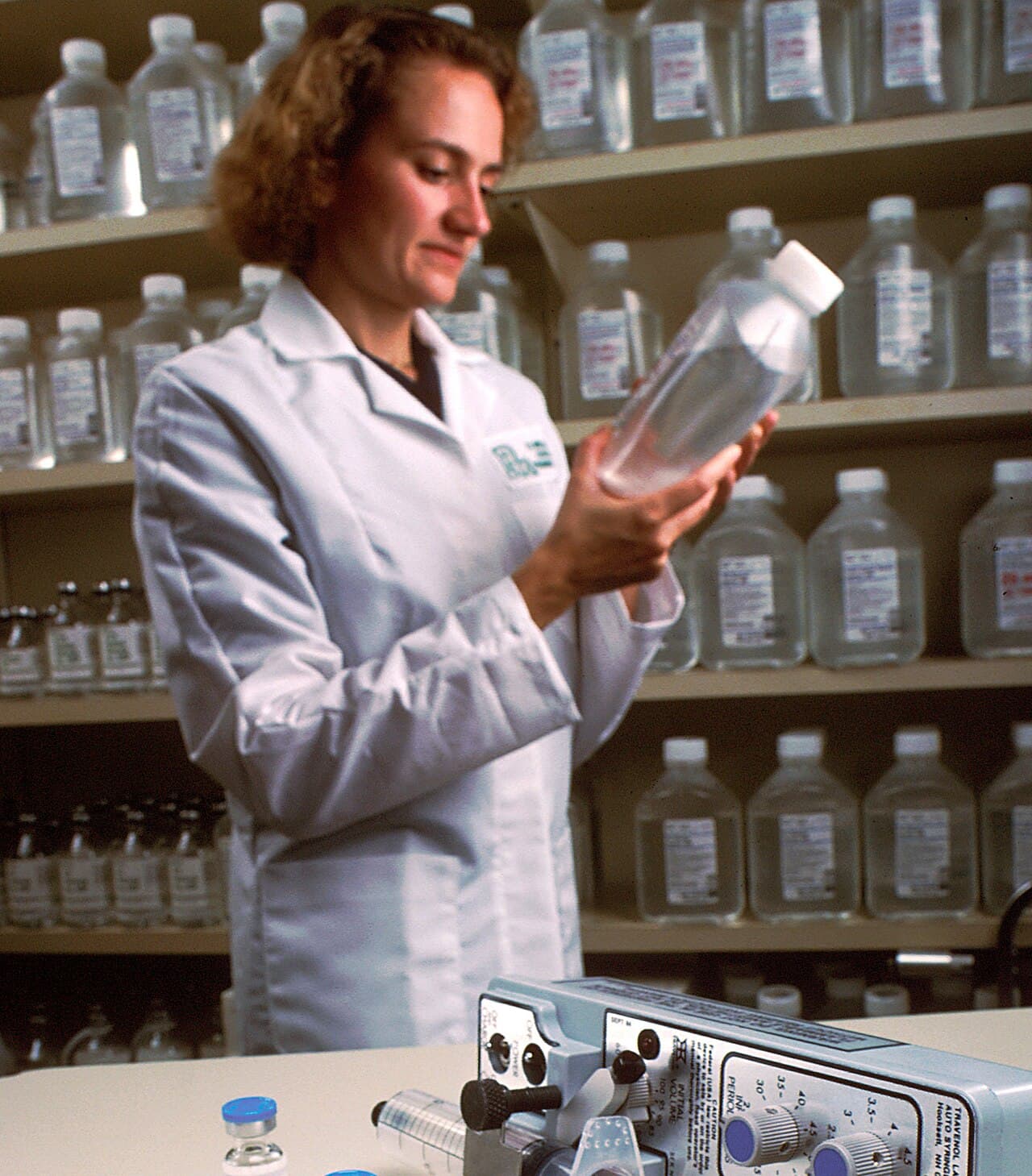
The chemist queue is still a queue. The difference is that the bottleneck is now less often a missing piece of paper and more often a missing pointer. Find the pointer, and the rest of the encounter looks like pharmacy as it has always been: a person in a white coat, a shelf of packs, and a decision about whether this supply is the right one today.
Frequently asked questions
What is an electronic prescribing token?
- A token is a unique QR code or barcode, usually sent by SMS or email, that points the pharmacy to your electronic prescription. It is not the prescription itself. The legal record sits in a prescription exchange service until it is dispensed.
Do I still need the Active Script List if I have tokens on my phone?
- No. Tokens work on their own. The Active Script List is useful if you lose messages, change phones, use more than one pharmacy, or want a family member to collect medicines without hunting through old texts.
Can I still get a paper prescription?
- Yes. Paper remains a lawful fallback. Some clinics default to electronic tokens, but you can ask for paper if you prefer it, if you are travelling somewhere digital systems are unreliable, or if a particular medicine is easier to manage on paper.
Corrections and complaints: read our editorial standards or write to the editors.