Medicare telehealth after the pandemic settlement
Temporary COVID telehealth items became a standing part of Medicare from 1 January 2022. This explainer covers what patients can still get by phone or video, how GP, specialist and allied health rules differ, and why bulk-billing is still a practice decision.
Dr Elise Tan, GP and digital health editorUpdated
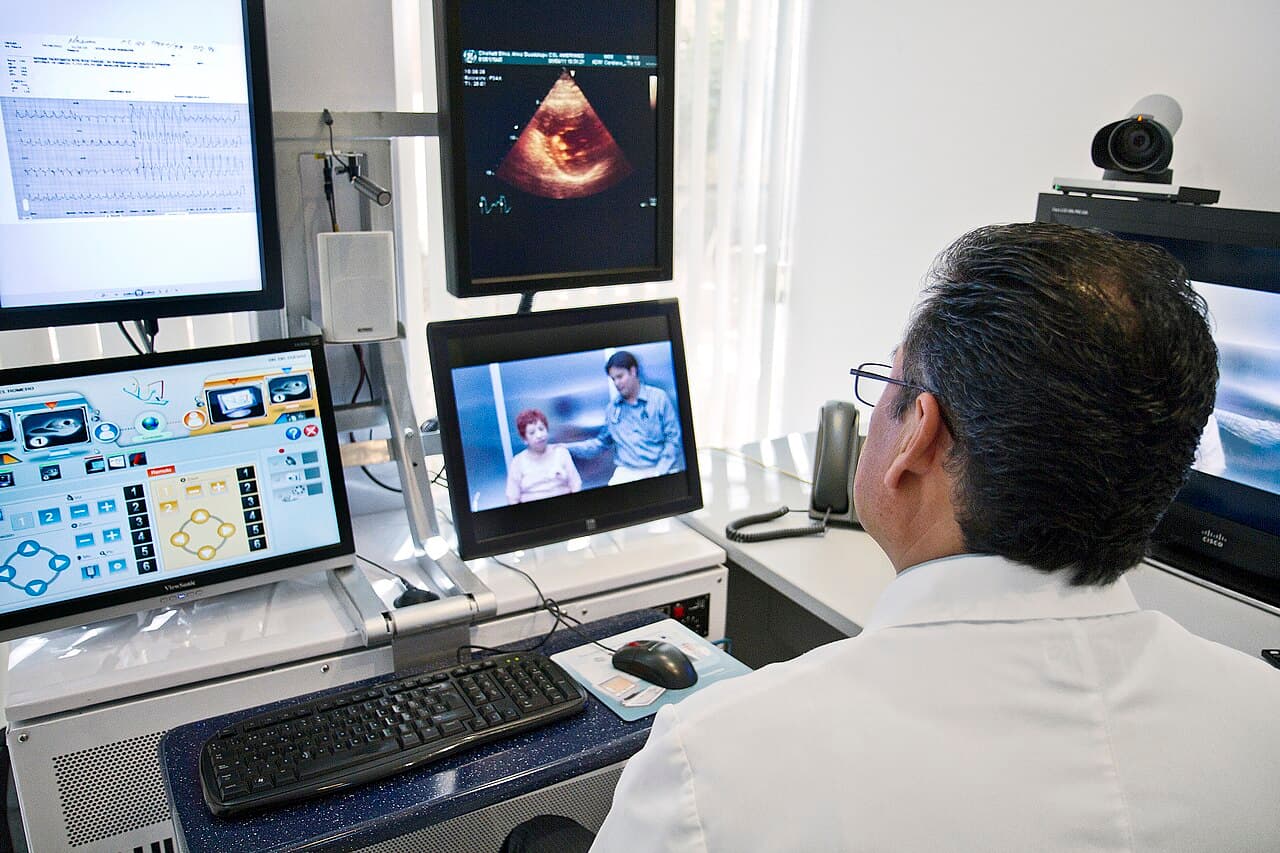
For a few months in 2020, a phone call with your GP felt like a temporary patch on a broken waiting room. Receptionists read scripts about "COVID items". Patients sat in cars. Practices learned, in a hurry, that a landline could keep a clinic solvent.
Then the temporary items did something Australian health policy rarely does. They stayed.
From 1 January 2022, a large slab of the emergency Medicare telehealth schedule was converted into an ongoing arrangement. The pandemic settlement did not freeze 2020 in amber. It kept the idea that a consult can happen outside a consulting room, then spent the following years narrowing who can claim what, and on which device.
This article is journalism about the Australian health system, not personal medical advice.
If you want the short version: Medicare telehealth is no longer an emergency. It is a normal, rule-bound part of general practice, specialist rooms and some allied health. The rules are fussy. The rebate is often modest. The clinical judgement still belongs to the person on the other end of the call.
How emergency items became a standing schedule
In March 2020 the Commonwealth added temporary MBS telehealth items so that people could keep seeing a doctor without sitting in a waiting room. The first versions were aimed at people at higher risk. Within weeks they were broadened. For a time, almost any Medicare-eligible patient could have a GP consult by phone or video and the practice could bill an item that looked, to the patient, a lot like the usual attendance.
That was never meant to be the forever model. Temporary items create two problems at once. Clinicians start to build workflows around them. Treasury starts to worry about volume. By late 2021 the political argument had shifted from "can we keep the lights on?" to "what should a permanent service look like?"
The settlement that took effect on 1 January 2022 did three things that still shape a Tuesday afternoon booking.
First, telehealth remained on the MBS as a normal way to deliver many attendances, not a special pandemic code that would vanish at the next press conference.
Second, video was cast as the preferred modality. Phone was kept, especially for shorter or simpler GP work, but it was no longer treated as interchangeable with a camera for every item.
Third, an existing-relationship test was tightened around GP telehealth. If you want the long version of that test, and the folklore that has grown around it, read the 12-month face-to-face rule, explained without the folklore. The short version is that Medicare generally wants your remote GP to be someone who already knows you in person, or a colleague at the same practice who does.
Those three decisions are why a patient can still get a rebate for a video review of blood pressure tablets, and why a brand-new corporate app cannot always drop a stranger into a GP item and call it continuity.
What patients can still get by phone or video
The honest answer is "plenty, with conditions", which is not what marketplace advertising likes to print.
A typical GP clinic in 2026 will still offer:
- Short phone reviews for a known problem, a result, a repeat of a stable medicine, or a triage conversation about whether you need to come in.
- Video consults for problems that benefit from seeing a face, a rash in decent light, or a home setup such as a blood pressure machine on the kitchen table.
- Mixed bookings, where the first contact is remote and the follow-up is in the rooms.
What you cannot safely assume is that every problem is eligible, that every eligible problem is clinically wise, or that the rebate will land as a bulk-billed visit. Medicare pays for a professional attendance delivered by telehealth when the item rules are met. It does not pay for a promise that the couch is as good as the couch plus a couch-side examination.
Patients still use phone and video for a familiar list: contraception reviews, mental health check-ins, skin that is "probably nothing" until it is photographed badly, asthma plans, diabetes numbers, certificates, and the slow work of ageing at home. Some of those tasks are well suited to a remote consult. Some are a compromise. A few are a delay dressed up as access.
Healthdirect remains the national front door for people who are not sure whether they need a GP at all. It is a nurse-triage and advice service, not a replacement Medicare clinic, and it can point people toward after-hours options in some states and territories. It is also a reminder that "digital" in Australian health often means a phone line with a well-written protocol, not a new app.
GP, specialist and allied health are not the same product
Vendors like to sell "telehealth" as a single noun. Medicare does not.
General practice
GP telehealth is the service most people mean. It is also the most tightly wrapped in relationship rules. A practice can usually offer existing patients a phone or video slot and bill a telehealth attendance, provided the patient and the practitioner fit the current MBS conditions. New patients are a different story. So are people who last sat in the waiting room in 2023 and have since changed clinics.
The clinical work is still general practice. The GP is still responsible for knowing when the camera is not enough. That is why a good clinic will protect some in-person sessions and why a rushed remote list can quietly fill with work that should have been a physical examination. For the red-flag version of that argument, see when telehealth is the wrong tool.
Specialists
Specialist telehealth survived the settlement too, and in some crafts it is now ordinary. A psychiatrist who already knows the patient may do a large share of follow-up by video. A rheumatologist may review a stable person on a biologic without dragging them across a capital city. A rural family may see a paediatrician without a six-hour drive and a night in a motel.
The catch is referral hygiene and first-visit culture. Many specialists still want the first attendance in person, even when an item would allow video. That is not always conservatism for its own sake. It is often the only moment they will get to examine a joint, watch a gait, or decide that the "anxiety" is a tremor. Patients who turn up to a first specialist video slot with a blurry referral and no recent bloods are not being modern. They are being set up for a second appointment.
Allied health
Allied health telehealth is a patchwork, which is a polite word for "it depends on the funding stream". Psychology by video is now unremarkable. Physiotherapy, dietetics, occupational therapy and speech pathology have Medicare telehealth pathways under some chronic disease and related arrangements, and much larger private, NDIS and insurer markets that do not care what the MBS did in 2022.
If your dietitian is talking to you from a spare bedroom, ask two questions. Is this a Medicare item, extras, NDIS, or a private fee? And can the task actually be done without hands-on assessment? A swallow review or a first musculoskeletal assessment is not the same job as a review of a food diary.
Bulk-billing realities, minus the press release
Bulk-billing means the practice accepts the Medicare rebate as full payment. It is a billing choice, not a clinical one, and it is not guaranteed because the consult happened on a phone.
During the emergency period, many clinics bulk-billed telehealth because the alternative was an empty waiting room and a public-health message about staying home. After the peak, the economics reverted to something more familiar. The rebate for a standard attendance did not magically become generous. Practice costs did not fall. Inbox work expanded. Reception still had to confirm identity, keep a record, and sometimes coach a seventy-eight-year-old through a video link that preferred a newer iPhone.
A practice manager in regional Victoria told Digital Doctor that telehealth "stopped being a COVID favour and went back to being a booking type", which is the least glamorous and most accurate description we have heard.
Successive governments have tried to make bulk-billing more attractive with incentive payments, including extra support aimed at concession patients and children. Those incentives matter. They do not abolish the gap at every clinic, and they do not mean a video slot is free because a minister said access had been "locked in".
What patients actually meet on the phone is local custom:
- Some practices bulk-bill telehealth for pensioners and Health Care Card holders, and privately bill everyone else.
- Some charge the same gap they charge in the rooms.
- Some treat a phone call as a cheaper, shorter product and a video review as a full attendance.
- A few still run a high volume of bulk-billed remote work and make it add up on throughput. That model is not automatically worse, but it is not automatically better either.
If the clinic cannot tell you the fee before you speak to the doctor, treat that as a systems problem, not a minor inconvenience. Medicare entitlements are public. The gap is a private price.
What changed after the peak
The peak was not a single day. It was a couple of years in which people accepted a lower-resolution version of care because the alternative was no care, or a waiting room that felt like a risk.
After the settlement, several quieter changes mattered more than the anniversary press releases.
Video was preferred on paper, then often skipped in real life. Plenty of GPs went back to the phone because it is faster to start, kinder to older patients, and less likely to fail in a brick house at the edge of a town. Whether that is clinically adequate depends on the problem. It is a live tension, and we unpack it in video versus phone telehealth.
The relationship rule reasserted the idea of a usual GP. Corporate and marketplace services that had grown on the temporary items had to adapt, find exemptions, or lean on private billing and state-based workarounds. Some did the unfashionable thing and built actual relationships with practices. Others kept advertising nationwide care as if Medicare were a rideshare platform.
Allied health and specialist use became more selective. The novelty wore off. The clinicians who kept telehealth were usually the ones who could name the task it was good for.
Rural and remote use did not go back to 2019. Distance is not a variant of SARS-CoV-2. For communities that already rationed visiting specialists and locum GPs, a reliable video link is infrastructure, not a lifestyle perk. That story belongs with telehealth in rural and remote Australia, and it is one reason the settlement could not simply be wound back to "everyone comes in".
Patients also got pickier, which is healthy. The first year of permanence still carried a wartime politeness. By 2024 and 2025, people were more willing to say that a phone call had missed a rash, that a child needed eyes on them, or that a mental health review on speakerphone in a car park was not care.
What the settlement did not settle
A few arguments were postponed rather than resolved.
Identity and privacy remain messy in domestic space. A teenager is not always free to talk. A partner may be in the room. A GP cannot assume the person holding the phone is alone, or safe. Practices that treat a video consult as a drop-in without checking context are not being efficient. They are being careless.
The record is still fragmented. A telehealth GP who is not your usual practice may write a beautiful note that never reaches the clinic that holds your cervical screening history. My Health Record can help when something is uploaded. It is not a substitute for a usual doctor.
Workforce is still the binding constraint. Telehealth does not create GPs. It reallocates their minutes. A clinic that offers a large remote list without protecting in-person capacity will eventually discover that the examining room is where the undiagnosed work hides.
And the rebate still sits in a political argument about bulk-billing that is larger than modality. If a practice cannot afford to bulk-bill an in-person Level B, a webcam will not make the arithmetic kinder. Incentives can change the margin. They do not repeal it.
How to use the permanent system without being played
Treat telehealth as one door into a practice, not a separate health system.
Book with the clinic that already knows you unless you have a good reason not to. Ask whether the slot is phone or video, and whether the problem is suitable. Say what you need in the booking note: a script, a result, a certificate, a new symptom. Have your medicines list, your myGov login if you need an e-prescription token, and a way to take a photo in daylight.
If a service offers "instant Medicare GPs" and cannot explain the relationship rule, the fee, or the name of the practitioner as it appears on the AHPRA register, keep walking. Permanence was meant to make remote care ordinary. It was not meant to make it anonymous.
The telehealth hub is where we keep the related explainers together, including the relationship rule, the modality fight, and the cases that still belong on an examination couch.
Medicare telehealth after the pandemic is less romantic than the wartime version, and more useful. It works when a clinician who already has context uses a phone or a camera for a task that fits. It fails when a platform treats a rebate as a product and a patient as a session. The settlement of 1 January 2022 did not decide that argument. It only made sure the argument would continue in ordinary time, on an ordinary Tuesday, with an ordinary GP trying to decide whether to say: come in.
Frequently asked questions
Can I still have a Medicare-rebated telehealth consult in 2026?
- Yes. Telehealth remains a standing part of the Medicare Benefits Schedule. Whether your particular consult attracts a rebate depends on the practitioner type, the modality, and, for many GP services, the existing-relationship rules. Ask the practice before you book.
Will my GP bulk-bill a phone or video appointment?
- That is a practice decision, not a Medicare guarantee. Some clinics bulk-bill concession card holders or children. Many charge a gap for telehealth, just as they do for rooms. Confirm the fee when you book.
Is a phone call worth the same as a video consult?
- Not always, and not for every item. Policy has preferred video for richer assessment, while phone remains common for short, known problems. Your GP should choose the modality that matches the clinical task, not the software vendor's preference.
Corrections and complaints: read our editorial standards or write to the editors.